How Aspiring Pilots Can Prepare Financially for the Transition Into Aviation Careers
Last Update: November 12, 2026 / 20:41:25 GMT/Zulu time
There's something about becoming a pilot that stays with you. Maybe it's the first time you watched an aircraft take off up close. Or the thought of sitting in the cockpit, looking down the runway, ready for your first flight.
It's exciting. A little intimidating, too.
But somewhere between researching flight schools and imagining your first solo flight, a practical question comes up. How much is this actually going to cost? Flight training isn't cheap, and the journey from student pilot to earning a steady income can take longer than expected. That's why financial preparation matters. Understanding the costs, managing your money, and planning for unexpected setbacks can help you stay focused on the career you're working toward.
Understand What Flight Training Really Costs
When you start comparing flight schools, the advertised prices might seem straightforward.
Then you look closer.
Aircraft rentals, instructor fees, written exams, checkrides, medical examinations, and equipment can all affect the final cost. And that's before accounting for additional flight hours. Not everyone learns at the same pace. You might need extra practice with a maneuver or face weather delays that stretch your training schedule.
That happens.
But those additional hours can put pressure on your budget. Before choosing a school, ask for a detailed breakdown of expenses. Find out what's included in the quoted price, what's billed separately, and how much extra lessons might cost. Compare several programs, too. The cheapest option on paper isn't always the most affordable once everything is included. A little research now can save you from difficult financial surprises later.
Build a Budget That Leaves Room to Breathe
Creating a budget probably isn't the most exciting part of preparing for flight school. You'd likely rather watch cockpit videos than sit in front of a spreadsheet late at night.
Still, it's worth the effort.
Start by listing your monthly expenses. Include rent, groceries, transportation, insurance, debt payments, and recurring bills. Then figure out how much you can realistically put toward training without making everyday life financially stressful. And don't build your budget around the best possible outcome. What happens if training takes longer than expected? Could you still cover your bills if you needed to reduce your working hours?
Some aspiring pilots work full time while taking lessons. Others choose accelerated programs and rely on savings or financing. Neither approach is automatically better. What matters is choosing one that fits your financial situation. Your budget should cover training costs, everyday expenses, and unexpected setbacks. Review it regularly as you work toward more advanced certificates and ratings. Sometimes, that means taking fewer lessons each month. Other times, it means saving a little longer before enrolling. Slowing down can feel frustrating, but it may help you avoid bigger interruptions later.
Review Existing Debt Before Taking On More
If you're already paying off student loans, credit cards, or other debts, adding flight training expenses can feel overwhelming. Especially when you're trying to figure out how much more your monthly budget can handle.
Start by getting a clear picture of what you owe.
Write down each balance, interest rate, minimum payment, and remaining repayment period. It's not always comfortable to look at those numbers. But understanding your financial obligations helps you make decisions based on facts rather than guesses. For people with existing education debt, exploring options such as student loans refinance can help estimate how different interest rates and repayment terms might affect monthly payments. Refinancing may offer more favorable terms for eligible borrowers.
Still, a lower monthly payment doesn't always mean lower total costs. Extending your repayment period could increase the interest you pay over time. There's another important consideration. Refinancing federal student loans with a private lender means losing access to federal benefits, including certain repayment plans and forgiveness opportunities.
So compare your options carefully. You don't necessarily need to eliminate every debt before starting flight school. The goal is to make sure your existing payments leave enough room for training, savings, and everyday needs.
Build an Emergency Fund for Unexpected Setbacks
Imagine waking up early for a flight lesson you've been looking forward to all week. Your bag is packed. You've checked the weather. Everything seems ready. Then the clouds roll in, or the aircraft needs maintenance, and the lesson gets canceled. It's disappointing, but it's part of learning to fly. Training schedules change. Personal responsibilities come up. Unexpected expenses happen.
Meanwhile, your regular bills keep arriving. That's why having an emergency fund can make such a difference. A common goal is to save three to six months of essential living expenses. Of course, reaching that amount may take time, especially when you're also saving for training. Start with whatever you can manage. Even modest savings can help you cover an unexpected bill without relying on credit cards or taking money from your training budget.
Try to keep emergency savings separate from the money you've set aside for flying lessons. One helps you pursue your career. The other protects your financial stability when things don't go as planned. Both matter.
Explore Scholarships and Training Assistance
It's easy to assume you'll need to pay for every part of flight training yourself. But that isn't always the case. Aviation scholarships, educational grants, and training assistance programs may help eligible students cover some expenses. Organizations such as the Aircraft Owners and Pilots Association and Experimental Aircraft Association are good starting points for researching available opportunities.
Some scholarships support students pursuing professional pilot careers. Others focus on particular certificates, training programs, or eligibility requirements. Start researching early. Applications may involve essays, recommendations, and deadlines that arrive months before training begins. And yes, applying takes time. But even a smaller scholarship could reduce what you need to borrow or withdraw from savings.
You might also find airline development programs or employer-supported training opportunities. Just read the details carefully. Some programs include employment commitments, repayment conditions, or other requirements that could affect your future choices. Financial assistance can be valuable, but only when you understand what you're agreeing to.
Prepare for the Gap Between Training and Steady Income
Here's something aspiring pilots don't always consider. Finishing your initial training doesn't necessarily mean you'll start earning a comfortable salary right away. Getting your commercial pilot certificate is a major achievement. You've completed lessons, passed exams, and spent countless hours developing your skills.
But there's often another stage ahead.
In the United States, the Federal Aviation Administration generally requires at least 250 flight hours for a commercial pilot certificate. Airline transport pilot certification typically requires significantly more experience, although certain approved pathways have reduced-hour requirements. Many pilots build experience through flight instruction or other eligible flying jobs before pursuing airline positions.
Those early jobs don't always offer predictable income. You might have busy weeks followed by slower periods. You may need to relocate or accept a position that provides valuable experience but modest pay. Honestly, it's exciting to imagine what you might earn several years into your career. But the more useful question is whether your finances can support those first years after training.
Build your budget around realistic early career earnings rather than your long-term salary goals. Keep some savings available if possible, and avoid taking on major expenses as soon as you receive your first aviation paycheck. Financial flexibility can give you more choices when opportunities come along.
Let Your Financial Plan Grow With Your Career
Your financial priorities will change as your aviation career develops. Before training, you're focused on saving money, comparing schools, and understanding costs. During training, you're managing expenses while working toward certificates and ratings. Afterward, the focus shifts toward earning income, managing repayments, and building experience.
Your financial plan should change with each stage. Maybe part-time training turns out to be more practical than an accelerated program. Maybe a promising job requires moving to another city. Or maybe you simply need more time than expected.
That's okay.
You don't need to predict every expense or career decision years in advance. What matters is checking in with your finances regularly and making adjustments when your circumstances change. A plan that can adapt is often more useful than one that looks perfect on paper.
Build a Career You Can Afford to Keep Pursuing
There's a lot to look forward to when you're becoming a pilot. Your first solo flight. Passing a difficult checkride. Looking back at your logbook and realizing how much you've learned. Those moments make the effort worthwhile. But there will probably be frustrating days, too. Canceled lessons, unexpected bills, and times when progress feels slower than you'd hoped.
It's difficult to stay focused on a long-term goal when you're constantly worried about paying for the next step. That's why financial preparation goes beyond numbers. It's about giving yourself enough stability to keep learning, adjusting, and moving forward when things get difficult.
You don't need unlimited savings or a perfect budget to pursue aviation. You need a realistic understanding of the costs, thoughtful financial habits, and some room for the unexpected.
And that's the point. The goal isn't simply to afford flight school. It's to build an aviation career you can keep pursuing, even when the journey takes longer than planned.
Incident Facts
Classification
Blog
© AeroInside
Read unlimited articles and receive our daily update briefing. Gain better insights into what is happening in commercial aviation safety.
Send tip
Support AeroInside by sending a small tip amount.
Newest articles

How Aspiring Pilots Can Prepare Financially for the Transition Into Aviation Careers
There's something about becoming a pilot that stays with you. Maybe it's the first time you watched an aircraft take off up close. Or the thought of…
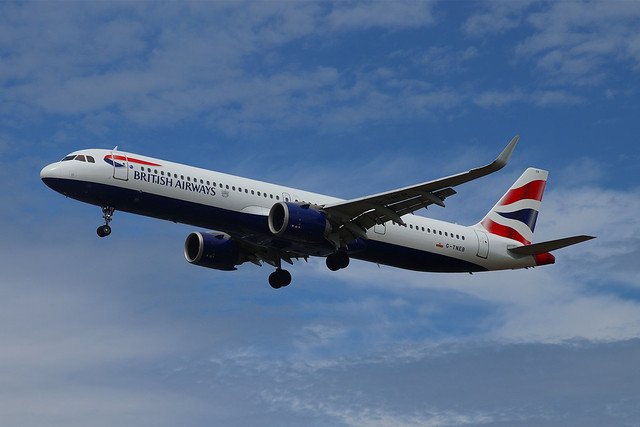 Fleet type match
BAW A321N at London on Nov 12th 2026, tail strike on go around
A BAW British Airways Airbus A321-200N, registration G-TNEB performing flight BA-431 from Amsterdam (Netherlands) to London Heathrow,EN (UK), was…
Subscribe today
Are you researching aviation incidents? Get access to AeroInside Insights, unlimited read access and receive the daily newsletter.
Pick your plan and subscribePartner

ELITE Simulation Solutions is a leading global provider of Flight Simulation Training Devices, IFR training software as well as flight controls and related services. Find out more.
SafetyScan Pro provides streamlined access to thousands of aviation accident reports. Tailored for your safety management efforts. Book your demo today
AeroInside Blog
Popular aircraft
Airbus A320Boeing 737-800
Boeing 737-800 MAX
Popular airlines
American AirlinesUnited
Delta
Air Canada
Lufthansa
British Airways