Why Most Airline Businesses Underestimate Their Data Security Risk
Last Update: August 27, 2026 / 12:23:32 GMT/Zulu time
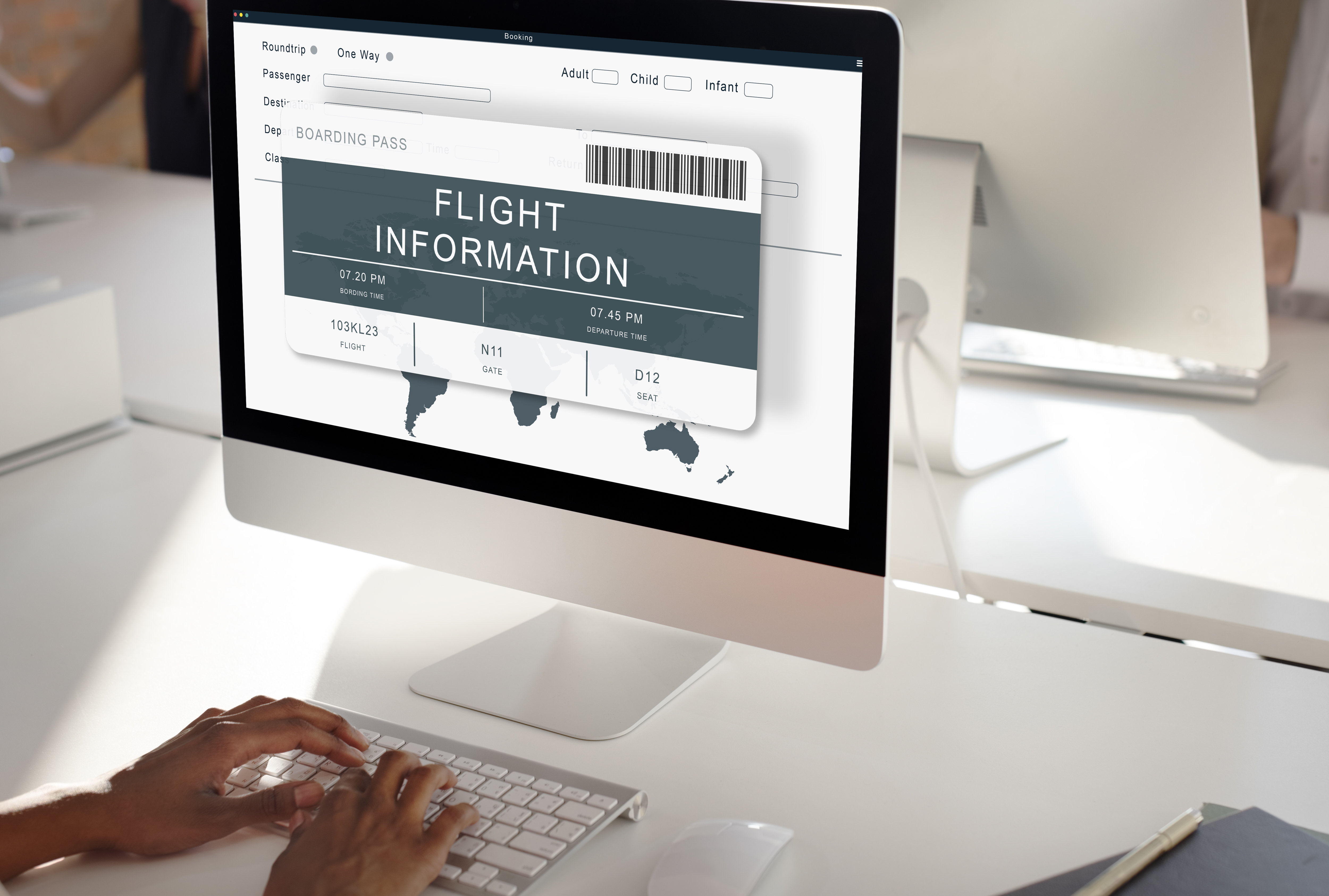
Airline companies invest heavily in reservation systems, operational technology, and digital passenger services. However, they often forget to secure the accounts that connect these services. The lack of care is concerning, as cyberattacks in the aviation sector rose 600% year-over-year in 2025.
But for airlines, a cyberattack goes beyond data loss. Disruption quickly spreads across the business. It stops planes from flying, ruins customer trust, and costs huge sums of money in fines and repairs.
Airline Businesses Have a Growing Digital Footprint
The success of an airline business depends on a range of connected digital systems.
Even a relatively small airline business will likely require:
-
Reservation and booking systems
-
Flight planning and operations software
-
Crew scheduling platforms
-
Aircraft maintenance management systems
-
Payroll and HR software
-
Fuel supplier portals
-
Accounting and payment tools
-
Customer support platforms
-
Messaging and collaboration apps
-
Cloud storage services
Each of these platforms holds a different category of sensitive data. The reservation and booking systems contain passenger names and payment details. The company’s payroll platform will hold employee bank details and salary figures. Lastly, a fuel supplier portal will contain contract prices and daily flight schedules.
The above reflects only the tip of the iceberg. Larger airlines are likely to depend on far more individual systems. With each platform come new logins, passwords, and cybersecurity risks.
Airline Businesses Rely on Complex Third-Party Networks
Airlines cannot operate independently. Day-to-day operations depend on a large and complicated web of third-party networks. These networks include:
-
Airports
-
Ground handling companies
-
Maintenance providers
-
Booking platforms
-
Payment processors
-
Cloud providers
-
Fuel suppliers
-
Technology vendors
Each third party likely requires access to the airline’s systems. They’ll also need varying degrees of sensitive company information.
As a result, the airline’s cybersecurity risk extends far beyond its own employees, devices, and internal networks.
Even with strong security controls in place, a third-party weakness can give hackers access to the airline’s systems. A recent study found that 35.5% of breaches were a result of third-party events.
Human Errors That Open the Door to Cyberattacks
Many other common errors leave airline businesses vulnerable to cyberattacks.
Giving Everyone Administrator Rights
Managing different permission levels can be difficult. Therefore, airline managers often give unlimited access to all employees and contractors. A successful breach gives the hacker administrator rights.
They can then change passwords, add new users, and disable security settings.
Falling for Phishing Emails
Airline companies receive hundreds of emails every day. Airports, suppliers, maintenance providers, and other business partners may all require quick responses. The volume and the sense of urgency created cause many airline employees to fall for phishing attempts.
Phishing attempts targeting airlines have also grown more convincing because attackers study the industry’s own communication patterns. A message referencing a specific flight number, a familiar maintenance vendor, or an internal department name feels legitimate because it is similar to the messages employees receive every day.
Ignoring Software Updates
Airline companies need to operate 24/7 to support the millions of flights that take place across the world every year. Given how busy the sky is, airlines struggle to find time to update their systems.
However, failing to update software gives hackers more time to exploit known weaknesses. Developers issue updates to address vulnerabilities, and ignoring them can be highly risky.
Leaving Devices and Networks Unsecured
Airline staff work across different airports, hotels, offices, and other operational sites. An employee may unknowingly access sensitive information while using an unsecured network.
How Airline Companies Can Strengthen Security
Airline companies can reduce data security risks by improving everyday security practices.
Using Cybersecurity Tools
Airline companies need to invest in cybersecurity tools to protect their systems from all types of threats. For example, password managers create strong passwords that are harder for hackers to guess. Next-generation antivirus (NGAV) uses advanced systems to detect threats, block trackers, and remove infected files. Other recommended tools include two-factor authentication, firewalls, and data leak monitoring tools.
However, tools alone aren’t useful if they aren’t used consistently across every team. Airlines should make sure employees are trained on the new tools and monitor the adoption rates.
Reviewing User Access Regularly
Airlines should conduct regular audits to review who has access to accounts. If an individual still has access but no longer needs it, they should be removed. A contract might officially end while a vendor’s login credentials remain active for months, simply because no one owns the task of closing that account. Assigning clear ownership over offboarding vendors closes a gap.
Creating Unique Accounts
Every employee should have their own login credentials. Individual accounts improve accountability. They also create audit trails and make it easier to revoke access. Shared accounts may be convenient in an airline, but they’re not secure.
The Airline Industry Needs Cybersecurity
The airline industry is increasingly digital. However, the fast-paced and non-stop job environment leads many businesses to overlook cybersecurity. Hackers can easily exploit shared passwords, excessive user permissions, and outdated software. By removing these vulnerabilities, airline companies can significantly reduce the risk of cyberattacks.
Incident Facts
Classification
Blog
© AeroInside
Read unlimited articles and receive our daily update briefing. Gain better insights into what is happening in commercial aviation safety.
Send tip
Support AeroInside by sending a small tip amount.
Newest articles
Why Most Airline Businesses Underestimate Their Data Security Risk
Airline companies invest heavily in reservation systems, operational technology, and digital passenger services. However, they often forget to…
 Fleet type match
KLM A332 enroute on Aug 21st 2026, could only fly headings
A KLM Airbus A330-200, registration PH-AOC performing flight KL-587 from Amsterdam (Netherlands) to Lagos (Nigeria), was enroute at FL370 already…
Subscribe today
Are you researching aviation incidents? Get access to AeroInside Insights, unlimited read access and receive the daily newsletter.
Pick your plan and subscribePartner

ELITE Simulation Solutions is a leading global provider of Flight Simulation Training Devices, IFR training software as well as flight controls and related services. Find out more.
SafetyScan Pro provides streamlined access to thousands of aviation accident reports. Tailored for your safety management efforts. Book your demo today
AeroInside Blog
Popular aircraft
Airbus A320Boeing 737-800
Boeing 737-800 MAX
Popular airlines
American AirlinesUnited
Delta
Air Canada
Lufthansa
British Airways