Why Do Flights Get Diverted? Revealing the 3 Most Common Reasons
Last Update: October 14, 2026 / 07:47:52 GMT/Zulu time
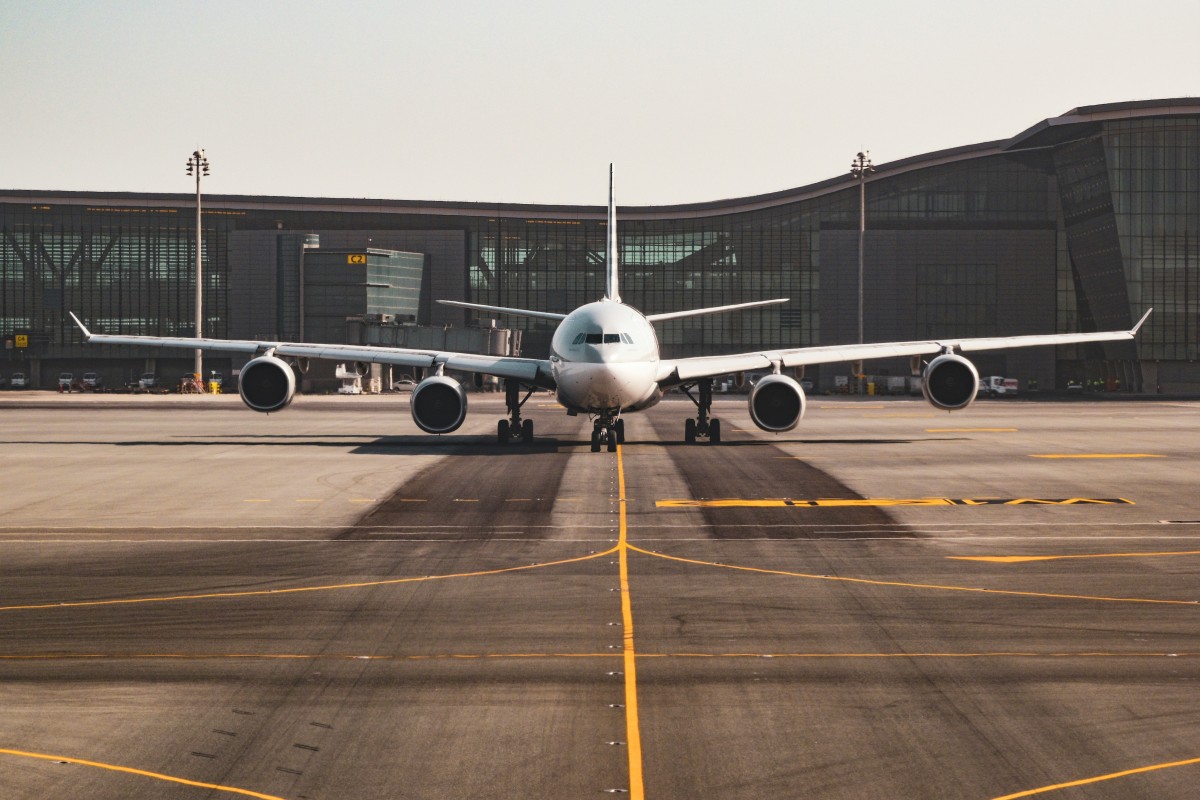
Flight diversions tend to elicit a range of negative responses, from angry outbursts to fear and tears. And it is understandable. After all, whether you are a passenger on the diverted flight or a loved one tracking it, knowing that a diversion is underway can cause a lot of anxiety about what it means for your plans. And this complication arises not just for you but also for the airline staff. So, why would they go through with it? Let’s find out.
Why Divert A Flight?
Airlines spend hours perfecting their flight schedules to ensure that they operate optimally. That means that not only do they have enough staff working around the clock, but they also optimise everything from meals to in-flight items. They also ensure that their planes are in great working condition by working with organisations like Magnetic Enginestands which provide them with engine stands for engine services. You can visit magneticenginestands.co to learn more about them and how their services enable airlines to keep their planes in tiptop condition.
So, with all these bases covered, airlines rest assured that most of their flights will run on schedule. Of course, due to external factors beyond their control, some flights require diversions, such as in the following cases:
Bad Weather
Pilots are often trained to handle adverse weather conditions such as rain, snow, and so on. They will happily and confidently pilot planes in such conditions and ensure they land safely. But while that may be so, some weather conditions pose too much of a risk for the pilots to continue flying to their original destinations. Examples include heavy snow, severe thunderstorms, thick fog, or extreme crosswinds.
In such cases, pilots are often cautioned against landing at their original destination because doing so could cause them to slide off the runway or lose control of the plane during landing. Planes have also been known to run out of fuel during long holds. For these and other scenarios, pilots often divert to airports with better weather, where they can land safely and wait out the severe weather rather than risk people’s lives.
Medical Emergencies
Airplanes often have emergency kits which are used to cater to minor medical issues such as bumps, scratches, minor aches, and everyday medical issues that could occur onboard. However, most crews are not well-versed in dealing with major health issues such as heart attacks, strokes, severe allergic reactions, or even trauma. After all, while they are trained in offering first aid, they do not have the training or resources necessary to attend to such medical issues as are necessary.
Given that delaying medical care could lead to fatalities or permanent disability, airlines are required to divert their planes to the nearest airport where the affected passenger can receive medical help. In this way, the crew communicates with Air Traffic Control, and once they receive clearance, they can land their plane, and the passenger is transported to a local hospital for immediate medical care.
Mechanical Issues
Airplanes often go through several checks before departure to ensure that they are in good condition. But while that may be the case, they are still subject to mechanical issues arising from wear and tear, manufacturing defects, sensor failures, and even bird strikes.
If pilots receive warnings that their planes are experiencing malfunctions, they are often advised to divert to the nearest airport. Doing so allows them to land their planes without risking loss of control or paving the way for secondary failures that could result in accidents. Fuel shortages can also occur due to mechanical issues, and pilots are required to divert to avoid emergency landings, engine flameouts, or worse.
Incident Facts
Classification
Blog
© AeroInside
Read unlimited articles and receive our daily update briefing. Gain better insights into what is happening in commercial aviation safety.
Send tip
Support AeroInside by sending a small tip amount.
Newest articles
Delta A339 at Lisbon on Sep 28th 2026, unusual odour on board
A Delta Airlines Airbus A330-900, registration N429DX performing flight DL-273 from Lisbon (Portugal) to New York JFK,NY (USA), was climbing through…
 Fleet type match
Delta A333 over Atlantic on Sep 27th 2026, smoke on board
A Delta Airlines Airbus A330-300, registration N824NW performing flight DL-251 from Barcelona,SP (Spain) to Boston,MA (USA) with 296 people on board,…
Subscribe today
Are you researching aviation incidents? Get access to AeroInside Insights, unlimited read access and receive the daily newsletter.
Pick your plan and subscribePartner

ELITE Simulation Solutions is a leading global provider of Flight Simulation Training Devices, IFR training software as well as flight controls and related services. Find out more.
SafetyScan Pro provides streamlined access to thousands of aviation accident reports. Tailored for your safety management efforts. Book your demo today
AeroInside Blog
Popular aircraft
Airbus A320Boeing 737-800
Boeing 737-800 MAX
Popular airlines
American AirlinesUnited
Delta
Air Canada
Lufthansa
British Airways