Redundancy, Reserves, and Margins: Lessons From the Flight Deck
Last Update: September 11, 2026 / 19:11:41 GMT/Zulu time
Pilots spend their careers thinking in layers. Nothing critical is allowed to depend on one component, fuel is carried beyond what the trip requires, and the aircraft is flown well inside its limits so there's room to react. That discipline is drilled, tested, and repeated until it stops feeling like a decision.
Then the same person gets home, opens a banking app, and manages money the way everyone else does — around the assumption that next year looks like this one. It's a strange split. The financial side of a flying career carries risks that are unusually concentrated and unusually well documented, and the three habits that keep the operation safe in the air are the same three that keep it stable on the ground.
Why the Financial Risk Profile Is Different
Most careers erode slowly. A flying career can stop on a Tuesday morning in a doctor's office, and the pay curve behind it is steeper and more cyclical than almost anything outside the industry. Seniority governs schedule, equipment, and earnings, and it doesn't travel. Hiring booms and contractions arrive on their own schedule.
That combination — concentrated risk, non-transferable position, cyclical demand — is what makes the flight deck framework worth applying deliberately rather than by instinct.
Redundancy: Nothing Critical on a Single Component
A single point of failure is anything that stops everything when it stops working. Flying careers have a few obvious ones, and they tend to get less attention than they deserve precisely because they're obvious.
The Medical Certificate
Every dollar of flight pay routes through a first-class medical. Requirements and the disqualifying condition list are published by the Federal Aviation Administration, and the practical risk isn't dramatic — it's a routine finding at a routine exam.
The redundancy here is loss-of-license and long-term disability coverage. Many pilots have some through a contract or union plan and assume it's sufficient. It often isn't. The questions worth answering are what percentage of income the benefit replaces, whether it covers loss of medical specifically or only broader disability, how long it pays, and whether the benefit is taxable. Individual coverage bought young and healthy fills the gap, and it gets more expensive and harder to underwrite with every year and every note in the file.
One Airline, One Seniority Number
Furloughs, mergers, and bankruptcies are recurring features of the industry rather than freak events. Seniority earned over a decade doesn't move to a new carrier. Union resources like those from the Air Line Pilots Association cover contract protections and furlough provisions in detail, and knowing what yours actually says is worth an evening.
Genuine redundancy against this is hard, which is exactly why it should be built early. Keeping instructor certificates current, maintaining relationships outside one carrier, holding ratings that widen the next search — none of it pays much on a normal month. All of it shortens the gap.
Income That Doesn't Depend on the Line
Contract work, sim instruction, part-time CFI hours, or something entirely unrelated to aviation. The target isn't replacement income. Covering a third of fixed costs from a second source changes what a furlough means.
Reserves: Sizing for a Cyclical Career
Redundancy handles the failure. Reserves cover the time between the failure and the recovery, and in this industry that interval runs long.
Why the Standard Advice Undershoots
Three to six months of expenses is generic guidance built for careers with steady demand and short job searches. Furloughs have historically lasted years, not months. A medical issue can take a long time to resolve through special issuance. Recalls come back in seniority order and on the company's timeline.
Build the number from the actual floor. Add up housing, minimum debt payments, insurance premiums, food, utilities, and childcare — the things that continue regardless — and multiply by a realistic recovery window for your specific situation. Twelve months is a more honest starting point than six for most line pilots.
Where the Money Sits
Reserve cash has one job: full value, available immediately. High-yield savings and money market funds qualify. Equities don't, because downturns in the airline business tend to arrive alongside downturns everywhere else.
Training Debt Cuts the Other Way
Flight training debt functions as negative reserve. It's a fixed monthly obligation that survives a furlough, a medical denial, and a bad market. Paying it down aggressively during high-earning years buys the same thing a cash cushion does — room to survive a period without a paycheck.
Margins: Build the Life on Guarantee, Not on a Good Month
Margin is the space between what reliably comes in and what's already committed. Pilot pay makes this harder than it looks, because the variable component can be large enough to feel permanent.
Anchor Fixed Costs to Minimum Guarantee
Premium trips, open time, and heavy months inflate a year's earnings well above the contractual floor. Mortgage underwriting will happily use the higher number. The safer approach is to size housing, car payments, and other recurring obligations against minimum guarantee at current seniority, then treat everything above that as surplus for reserves, retirement, and debt.
Per diem deserves its own note: it reimburses expenses incurred on the road, and treating it as spendable income quietly raises the fixed-cost floor.
The Upgrade Trap
A left-seat move or a jump to a legacy carrier can double income. Absorbing that increase entirely into a larger house and a longer loan term produces a pilot who is more fragile at higher pay than at lower — same thin margin, larger obligations, and a longer way to fall.
Keeping the System Honest
Reserves get sized once and forgotten. Disability coverage gets bought at one income level and never revisited. Fixed costs creep upward one commitment at a time. Drift is the normal state.
Advice That Understands the Pay Structure
Most financial information is public and free. The value in good advice is calibration by someone who understands how the pay works — that the W-2 doesn't reflect the guarantee, that a fund concentrated in airline stock is a second bet on the same employer, that upgrade timing changes the whole plan. Fee-only fiduciary advisors are the cleanest arrangement, since their recommendations don't depend on selling a product.
Access Has Gotten Easier
Serious planning used to require assets or fees, so the people early in a career carrying the most training debt got the least help. That's changed. Tools built around AI-driven financial planning can model a furlough, track spending drift as it happens, and answer a specific question in a hotel room at 2 a.m. rather than at some future annual review. Continuous beats periodically for the same reason scanning beats checking gauges once an hour — small problems get caught while they're still small. The judgment calls still belong to a person, but noticing no longer waits on a scheduled meeting.
A Standing Review
Quarterly, same questions. What single failure would hurt most right now? Is the reserve sized for the current recovery timeline? What percentage of income is committed before the month starts? Written down, so the drift becomes visible.
The Underlying Argument
None of this requires predicting what goes wrong. Prediction is unreliable, and a plan built on a specific forecast is just a different fragile assumption. The reason the flight deck approach holds up is that it doesn't care which component fails.
Backups that never get used, cash that earns less than it could, and income deliberately left uncommitted all look inefficient on paper. That inefficiency is the premium, paid in advance, for the same reason the reserve fuel is aboard. The alternative is a financial life that works beautifully right up until the first bad month.
Incident Facts
Classification
Blog
© AeroInside
Read unlimited articles and receive our daily update briefing. Gain better insights into what is happening in commercial aviation safety.
Send tip
Support AeroInside by sending a small tip amount.
Newest articles
 Fleet type match
American B738 at Boston on Oct 5th 2026, possible fuel leak
An American Airlines Boeing 737-800, registration N812NN performing flight AA-1239 from Boston,MA to Chicago O'Hare,IL (USA) with 160 people on…
 Fleet type match
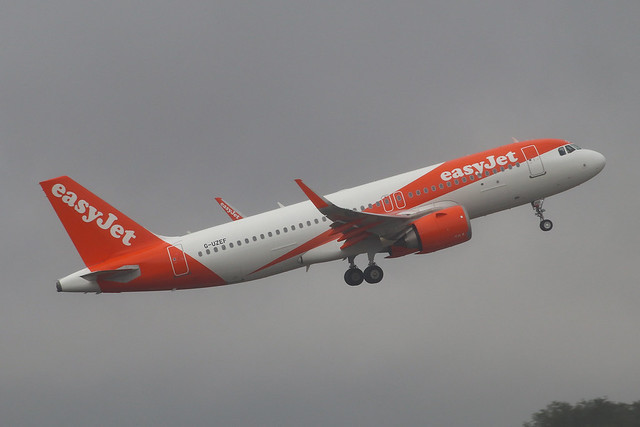
Easyjet A20N over Irish Sea on Oct 7th 2026, first officer incapacitated
An Easyjet Airbus A320-200N, registration G-UZEF performing flight U2-3385 from Liverpool,EN (UK) to Fuerteventura,CI (Spain), was enroute at FL340…
Subscribe today
Are you researching aviation incidents? Get access to AeroInside Insights, unlimited read access and receive the daily newsletter.
Pick your plan and subscribePartner

ELITE Simulation Solutions is a leading global provider of Flight Simulation Training Devices, IFR training software as well as flight controls and related services. Find out more.
SafetyScan Pro provides streamlined access to thousands of aviation accident reports. Tailored for your safety management efforts. Book your demo today
AeroInside Blog
Popular aircraft
Airbus A320Boeing 737-800
Boeing 737-800 MAX
Popular airlines
American AirlinesUnited
Delta
Air Canada
Lufthansa
British Airways