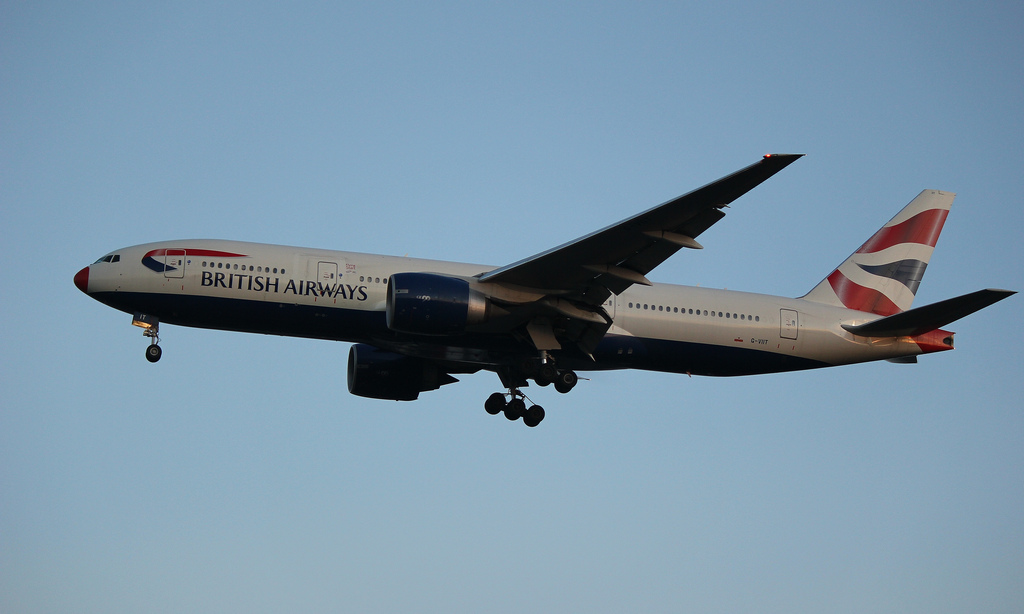
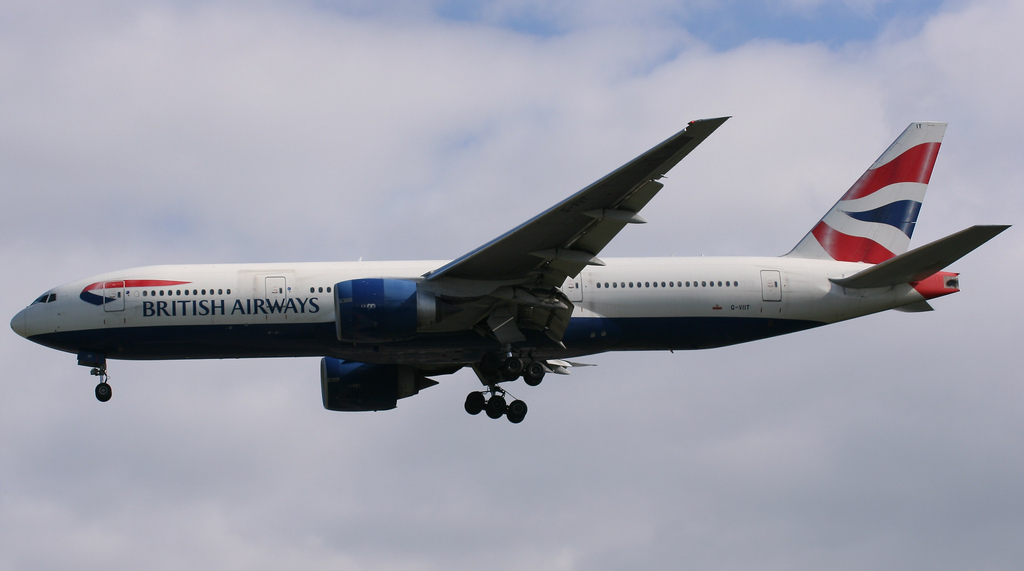
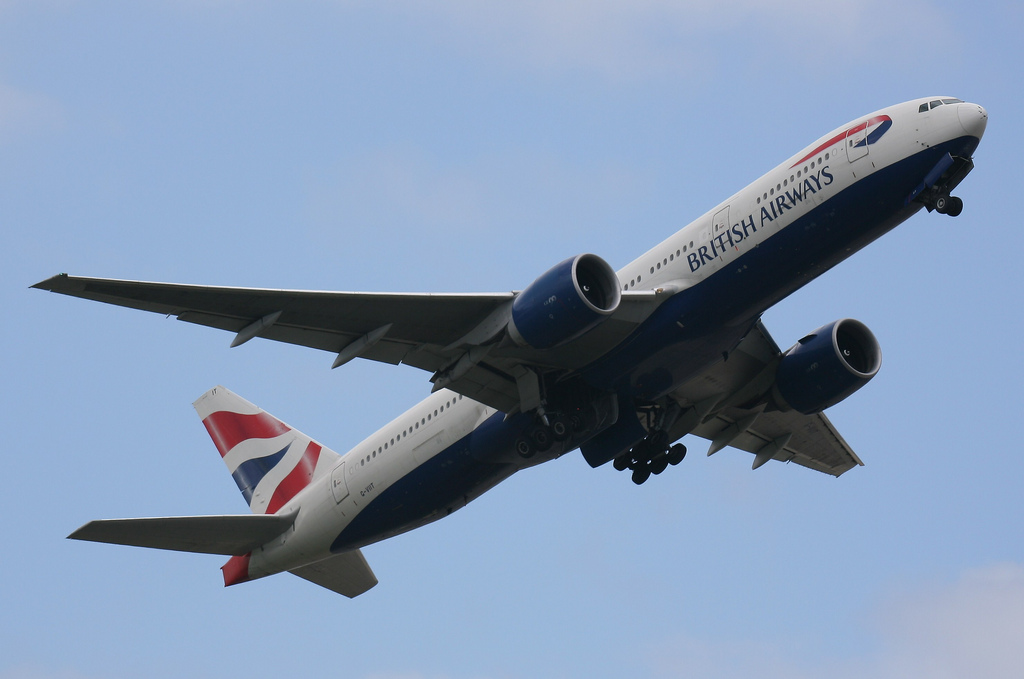
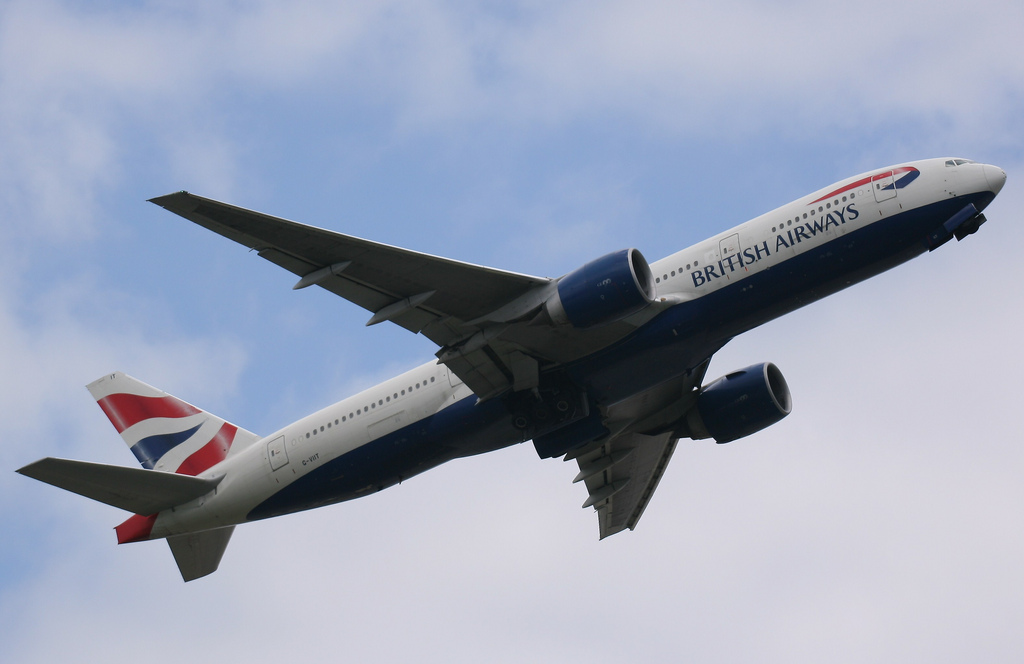
BAW B772 at London on Jun 28th 2024, rejected takeoff
Last Update: May 8, 2025 / 20:55:53 GMT/Zulu time

Incident Facts
Date of incident
Jun 28, 2024
Classification
Incident
Cause
Rejected takeoff
Airline
British Airways
Flight number
BA-2279
Departure
London Gatwick, United Kingdom
Destination
Vancouver, Canada
Aircraft Registration
G-VIIT
Aircraft Type
Boeing 777-200
ICAO Type Designator
B772
The aircraft vacated the runway about 40 minutes later.
The airport reported their only available runway needed to be closed for about 50 minutes due to the occurrence.
A passenger reported the crew told them there had been a problem on the flight deck.
On May 8th 2025 the AAIB released their final bulletin concluding the probable cause of the serious incident was:
By way of an action slip, the co-pilot began retarding the thrust levers at airspeed V1. He instinctively advanced them again, then initiated the RTO procedure around 2 KIAS later. The RTO was performed effectively and, in benign performance conditions, the aircraft stopped some distance before the end of the runway surface.
The AAIB analysed:
The RTO
The V1 callout was a normal prompt for the co-pilot to move his left hand during the takeoff roll, while preparing to pull back on the control column with his right hand. However, he unintentionally pulled his left hand back instead. The resulting ‘action sequence’ resembled the RTO or landing manoeuvres, rather than a normal takeoff. There was no obvious reason for him being primed to do that – for example, he had not recently changed aircraft seat or type, or practiced landings or RTOs in a simulator – and he could not identify a reason for it on the day.
Any decision to stop an aircraft should be made by V1, such that it is already stopping at V1. The co-pilot first retarded the thrust levers at V1. While the subsequent, instinctive, re-application of thrust would impede the aircraft’s stopping performance, after a moment’s conscious thought, he committed to the RTO procedure, fully retarding the thrust levers at around 2 KIAS above V1. The aircraft’s inertia meant its airspeed rose by another 5 KIAS before, in the somewhat benign performance conditions, it stopped some distance before the end of the runway surface. The crew performed the RTO and subsequent actions calmly and effectively.
The co-pilot identified that an alternative response to the action slip might have been to continue taking off using toga thrust. Performance calculations allow for taking off with one engine having failed after V1. Both engines were operating during this event, but the investigation did not determine alternative outcomes.
Control selections and mental rehearsal
This incident alludes to the ongoing challenge for operators and crew in attending to control selections. This operator had already promulgated a staged method to its crew which, although written for other mis-selections, could encourage more deliberate motor actions. It has promoted the subject in training and briefing material.
The incident emphasises the complex nature of the takeoff roll. Pilots perform a series of motor actions during a normal takeoff, while also mentally preparing themselves to decide upon and enact different action sequences for an RTO. As well as relevant multi-crew and emergency briefings, pilots can improve their individual performance by mentally rehearsing what might seem like routine parts of an operation, especially after time away from flying.
Incident Facts
Date of incident
Jun 28, 2024
Classification
Incident
Cause
Rejected takeoff
Airline
British Airways
Flight number
BA-2279
Departure
London Gatwick, United Kingdom
Destination
Vancouver, Canada
Aircraft Registration
G-VIIT
Aircraft Type
Boeing 777-200
ICAO Type Designator
B772
This article is published under license from Avherald.com. © of text by Avherald.com.
Article source
You can read 2 more free articles without a subscription.
Subscribe now and continue reading without any limits!
Read unlimited articles and receive our daily update briefing. Gain better insights into what is happening in commercial aviation safety.
Send tip
Support AeroInside by sending a small tip amount.
Related articles
 Fleet type match
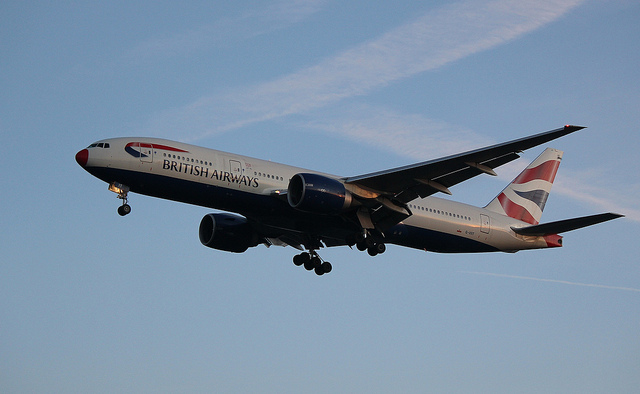
British Airways B772 near London on Mar 26th 2013, cargo door open indication
A British Airways Boeing 777-200, registration G-VIIT performing flight BA-2157 from London Gatwick,EN (UK) to Antigua (Antigua and Barbuda), was…
 Fleet type match
British Airways A35K near London on Aug 18th 2026, hydraulic failure
A British Airways Airbus A350-1000, registration G-XWBL performing flight BA-274 (dep Aug 17th) from Las Vegas,NV (USA) to London Heathrow,EN (UK),…
 Fleet type match
BAW A35K enroute on Feb 19th 2026, temporary engine failure
A BAW British Airways Airbus A350-1000, registration G-XWBR performing flight BA-274 (dep Feb 18th) from Las Vegas,NV (USA) to London Heathrow,EN…
 Fleet type match
BAW A20N at London on Jul 22nd 2026, hydraulic failure
A British Airways Airbus A320-200N, registration G-TTNR performing flight BA-547 from Rome Fiumicino (Italy) to London Heathrow,EN (UK), was on final…
 Fleet type match
BAW A320 at London on Jul 6th 2026, ADR failure, stall warnings, abrupt recovery
A BAW British Airways Airbus A320-200, registration G-EUUN performing flight BA-919 from Dusseldorf (Germany) to London Heathrow,EN (UK), was on…
 Fleet type match
BAW A320 at London on Jul 9th 2026, temporary loss of control on approach
A BAW British Airways Airbus A320-200, registration G-EUUM performing flight BA-1391 from Belfast City,NI to London Heathrow,EN (UK), was on final…
Newest articles
 Fleet type match
KLM B773 over Atlantic on Sep 17th 2026, power bank thermal runaway
A KLM Boeing 777-300, registration PH-BVP performing flight KL-735 from Amsterdam (Netherlands) to Curacao (Curacao) with 322 people on board, was…
ASL UK AT72 at East Midlands on Nov 14th 2025, tyre and runway damage on landing
An ASL Airlines UK Avions de Transport Regional ATR-72-212A freighter, registration G-OASB performing flight ABV-108 from Guernsey,CI to East…
Subscribe today
Are you researching aviation incidents? Get access to AeroInside Insights, unlimited read access and receive the daily newsletter.
Pick your plan and subscribePartner

ELITE Simulation Solutions is a leading global provider of Flight Simulation Training Devices, IFR training software as well as flight controls and related services. Find out more.
SafetyScan Pro provides streamlined access to thousands of aviation accident reports. Tailored for your safety management efforts. Book your demo today
AeroInside Blog
Popular aircraft
Airbus A320Boeing 737-800
Boeing 737-800 MAX
Popular airlines
American AirlinesUnited
Delta
Air Canada
Lufthansa
British Airways