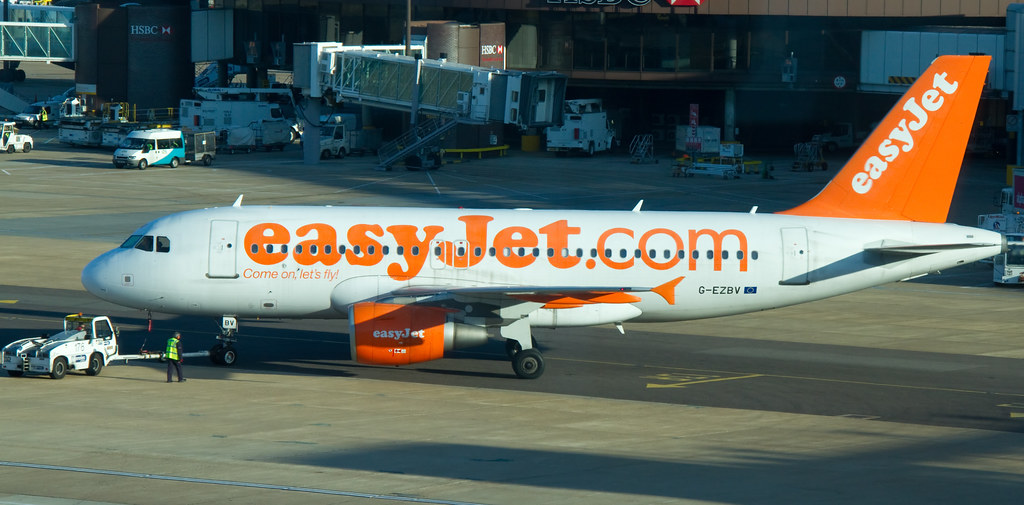
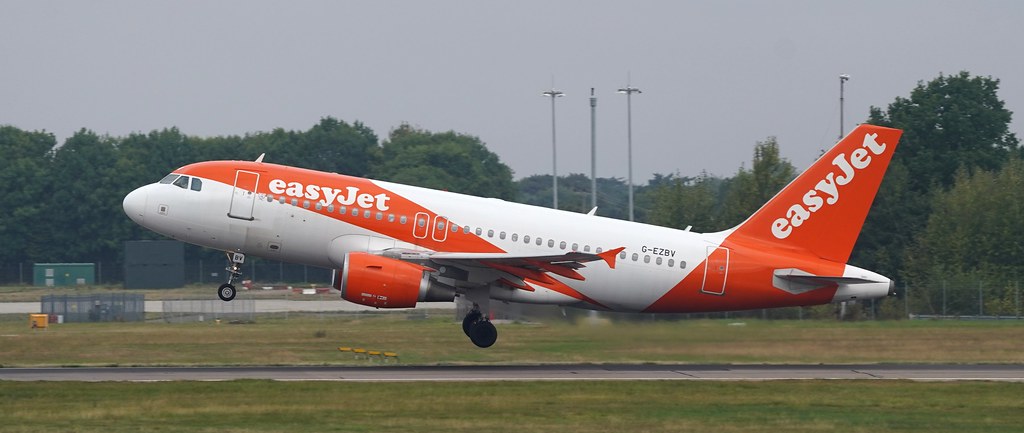
Easyjet A319 at Sofia on Nov 17th 2022, pressurization failure

Last Update: June 13, 2024 / 18:41:03 GMT/Zulu time
Bookmark this article
Incident Facts

Date of incident
Nov 17, 2022

Classification
Incident

Airline
Easyjet

Aircraft Registration
G-EZBV

Aircraft Type
Airbus A319

ICAO Type Designator
A319

An Easyjet Airbus A319-100, registration G-EZBV performing positioning flight U2-9002 from Sofia (Bulgaria) to London Gatwick,EN (UK) with 2 crew on board, was climbing through FL300 out of Sofia when the crew initiated an emergency descent to FL100 and returned to Sofia for a safe landing on runway 27 about 35 minutes after departure.

Bulgaria's AAIU rated the occurrence a serious incident and opened an investigation.

The aircraft was able to depart again as flight U2-9004 after 15 hours on the ground.

On Jun 13th 2024 Bulgaria's AAI released their final report concluding the probable cause of the serious incident was:

Root cause:

Disruption of the technological process of the installation of the aft cargo door pressure seal during the base maintenance activities by the maintenance crew of Lufthansa Technik Sofia, which resulted in a significant cabin leakage.

The AAI analysed:

The first aspect relates to the installation of the pressure seal on the aft cargo door during the aircraft's 16-year base maintenance at Lufthansa Technic Sofia.

From the information received by the commission from Lufthansa Technic-Sofia it is determined that after take-off, during a climb en route from Sofia, aircraft A319-111, registration G-EZBV, returned to Sofia due to pressurization issues. Post flight inspection revealed an incorrectly installed pressure seal on the aft cargo door (with the inflation holes located on the outer side of the seal) which has caused excessive air leak and loss of cabin pressure. The insufficient cabin pressure is a serious risk for the flight safety of all occupants on board.

Based on the conducted interviews the note in the Aircraft Maintenance Manual for the correct position of the inflation holes has not been used by the staff in order to verify the correct position of the seal during installation, neither during the independent inspection.

Following interviews with the maintenance crew, both involved and not involved in the mishap but all experienced in the task of cargo doors seals replacement have been with the belief that there is no way to install the seal incorrectly if the 'LOWER DOOR' ink mark is placed as referred in the AMM and the seal is inserted to the retainer without any kinks. The alert by the Operator for recent cases of incorrectly fitted cargo door seals which have led to flight diversions has not affected involved staff's confidence in doing the job correctly even though they have been aware of it prior doing the job. Also, the task is rather frequently performed in the last years which, as stated by the staff, makes them less prudent to the details or if there is something wrong.

The task is set to be performed asIndependent Inspection because it's originating from mandatory Safety Bulletin for which an Airworthiness Directive is due to be published. I.a.w. Doc. WD463 which has been the guiding document defining scope of tasks subject to duplicate inspections at the time of occurrence a core task of Airworthiness Directive related maintenance shall be performed as (formerly known) duplicate Inspection. This has not provided sufficient instructions to the 2nd inspector what exactly shall be the scope of his inspection.

...

According to the information received from BULATSA, the explanations of the flight crew of flight crew of aircraft A319-111, registration G-EZBV and the one set out in paragraph 2.1.2 during the flight in the controlled airspace of Sofia Control, VBL sector, the aircraft correctly executed the instructions of the ATCO to climb after took off from LBSF.

When passing FL290 a message Cabin Altitude Warning is appeared on ECAM. The cabin altitude was rising rapidly to about 9000 ft resulting in low cabin pressure. The flight crew reacted to the visual indication and aural warning and stopped the climb. They also donned their oxygen masks, notified the ATC, declared MAYDAY, and made the decision to return to LBSF.

The fact was that they set code 7700 on the transponder and started an emergency descent. During the descent the cabin pressure slowly recovered and at 10500 ft reached normal values. The pilots removed the oxygen masks and the aircraft landed normally at Sofia Airport without consequences for the crew.
Incident Facts

Date of incident
Nov 17, 2022

Classification
Incident

Airline
Easyjet

Aircraft Registration
G-EZBV

Aircraft Type
Airbus A319

ICAO Type Designator
A319

This article is published under license from Avherald.com. © of text by Avherald.com.
Article source

You can read 2 more free articles without a subscription.

Subscribe now and continue reading without any limits!

Are you a subscriber? Login
Subscribe

Read unlimited articles and receive our daily update briefing. Gain better insights into what is happening in commercial aviation safety.

Send tip

Support AeroInside by sending a small tip amount.

Related articles

Newest articles

Subscribe today

Are you researching aviation incidents? Get access to AeroInside Insights, unlimited read access and receive the daily newsletter.

Pick your plan and subscribe

Partner

ELITE Logo

ELITE Simulation Solutions is a leading global provider of Flight Simulation Training Devices, IFR training software as well as flight controls and related services. Find out more.

SafetyScan Pro

SafetyScan Pro provides streamlined access to thousands of aviation accident reports. Tailored for your safety management efforts. Book your demo today

AeroInside Blog
Popular aircraft
Airbus A320
Boeing 737-800
Boeing 737-800 MAX
Popular airlines
American Airlines
United
Delta
Air Canada
Lufthansa
British Airways