Hawaiian A332 at Los Angeles on Sep 22nd 2022, trim motor failure causes erratic movements of trim wheel
Last Update: September 20, 2024 / 01:37:28 GMT/Zulu time
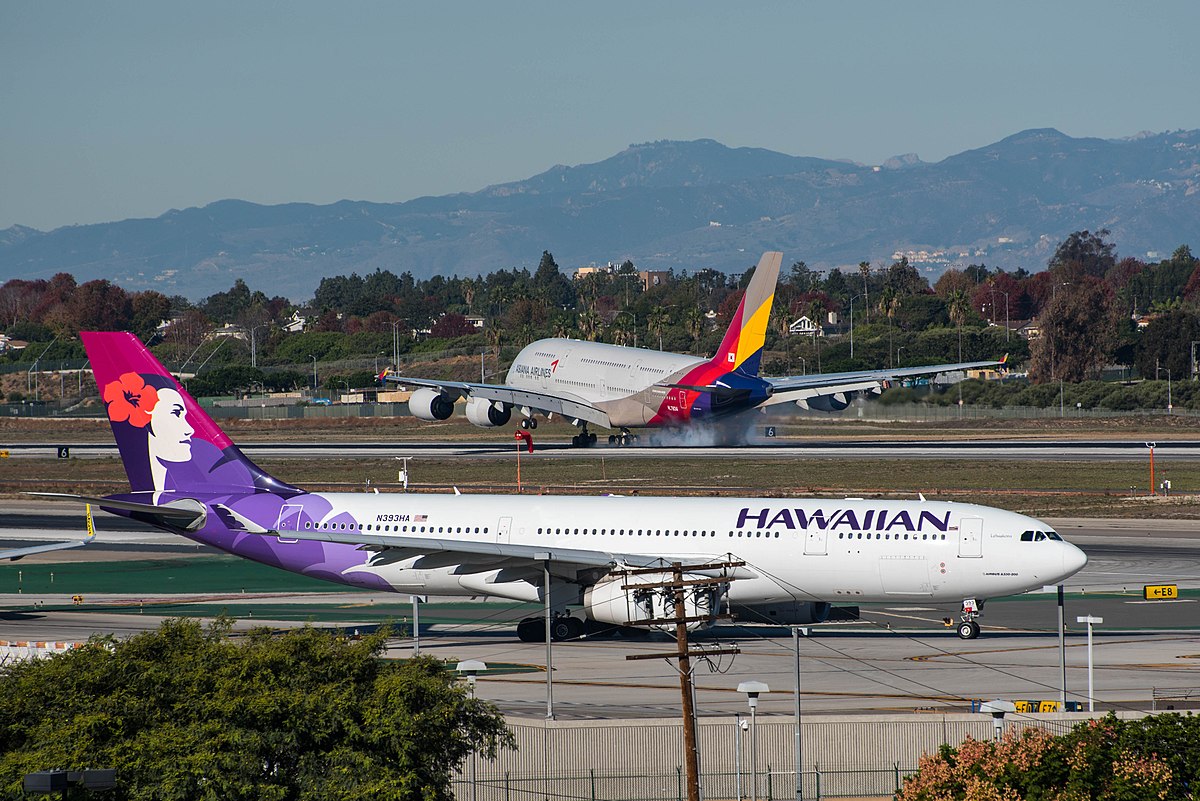
Incident Facts
Date of incident
Sep 22, 2022
Classification
Incident
Airline
Hawaiian Airlines
Flight number
HA-3
Departure
Los Angeles, United States
Destination
Honolulu, United States
Aircraft Registration
N393HA
Aircraft Type
Airbus A330-200
ICAO Type Designator
A332
The NTSB reported the primary trim motor failed causing the erratic movements of the trim wheel. No notification of any faults were displayed on the ECAM. The crew returned to Los Angeles.
The aircraft returned to service after about 2 days on the ground.
On Oct 27th 2022 the NTSB released their preliminary report reporting the sequence of events:
As the airplane was climbing through Flight Level (FL) 360 after departure from LAX, the flight crew reported that the trimmable horizontal stabilizer (THS) pitch trim wheel began a rapid uncommanded nose up/nose down movement while autopilot 2 was engaged. The first officer, who was the pilot flying, disconnected autopilot 2 and took manual control of the aircraft. The trim wheel continued the uncommanded movement with the autopilot disengaged; however, the crew stated the airplane was controllable during manual flight. No messages regarding the pitch trim anomaly were generated on the electronic centralized aircraft monitor (ECAM).
The captain declared an emergency and notified air traffic control that they would be returning to LAX and would need to jettison fuel. He then requested a non-revenue A330 captain seated in the cabin to assist in the cockpit. The captain stated he used this additional crew member, plus an A330 first officer that was jumpseating, to distribute workload in the cockpit: assisting the primary crew in troubleshooting the pitch trim, jettisoning fuel, and preparing for the airplane’s arrival back to LAX.
Before landing, the crew assessed the aircraft handling qualities in the landing configuration and remained vigilant to the continued movement of the manual trim wheel. The landing was uneventful, and the aircraft was taxied to a remote parking area where the passengers deplaned.
On Sep 20th 2024 the NTSB released their final report and investigation docket concluding the probable cause of the incident was:
Uncommanded movement of the trimmable horizontal stabilizer control wheel for reasons that could not be determined based on the available evidence.
The NTSB wrote:
The flight crew reported that, when the airplane climbed through flight level 360, the trimmable horizontal stabilizer (THS) trim wheel began to move “very quickly” forward and aft, creating small pitching oscillations. No message appeared on the airplane’s electronic centralized aircraft monitor, and no flight deck alerts annunciated. The crew decided to turn off the autopilot to isolate the malfunction. However, when the autopilot was off, the trim wheel continued to move erratically. The crew then reengaged the autopilot, and small pitch oscillations resumed. These oscillations, which were below the threshold to trigger a fault, were partially countered by flight control system inputs, but the trim wheel continued its uncommanded movement. The first officer (the pilot flying) then turned off the autopilot and manually flew the airplane for the rest of the flight while the captain (the pilot monitoring) managed the situation.
The flight crew contacted air traffic control to declare an emergency and advise that fuel would need to be jettisoned before the airplane returned to the airport. Afterward, fuel was jettisoned until the airplane reached its maximum landing weight. The airplane landed uneventfully, and the emergency was terminated after landing. The airplane’s Post Flight Report information showed the “PITCH TRIM ACTR [actuator] OVERRIDE SWITCH” fault message.The maintenance crew at the airport replaced the pitch trim actuator (a subcomponent of the THS actuator), and an operational test of the THS actuator was successful.
One possible scenario for the uncommanded pitch trim wheel movement involved a failure or malfunction of a subcomponent of the THS actuator (the No. 1 digital electronic module, which digitizes the analog signals from THS position sensors. Extensive testing of the THS actuator and its subcomponents, including the incident pitch trim actuator and the No. 1 digital electronic module, was conducted at the manufacturers’ facilities. However, the testing did not identify the specific reason for the uncommanded pitch trim wheel movements during the incident flight. As a result, the investigation was unable to determine the cause of the anomaly based on the available evidence. It is important to note that this investigation found that the anomaly appeared to be isolated to components that were either removed and repaired or replaced on the incident airplane. Further, the incident airplane had no pitch or pitch trim flight control faults related to the circumstances of this incident since the THS actuator was removed and replaced in November 2022.
Incident Facts
Date of incident
Sep 22, 2022
Classification
Incident
Airline
Hawaiian Airlines
Flight number
HA-3
Departure
Los Angeles, United States
Destination
Honolulu, United States
Aircraft Registration
N393HA
Aircraft Type
Airbus A330-200
ICAO Type Designator
A332
This article is published under license from Avherald.com. © of text by Avherald.com.
Article source
You can read 1 more free article without a subscription.
Subscribe now and continue reading without any limits!
Read unlimited articles and receive our daily update briefing. Gain better insights into what is happening in commercial aviation safety.
Send tip
Support AeroInside by sending a small tip amount.
Related articles
 Fleet type match
Hawaiian A332 at Seattle on Dec 30th 2024, fumes on board
A Hawaiian Airlines Airbus A330-200, registration N393HA performing flight HA-21 from Seattle,WA to Honolulu,HI (USA) with 273 passengers and 10…
Fleet type match
Hawaiian A332 near Honolulu on Dec 18th 2022, turbulence injures 42
A Hawaiian Airlines Airbus A330-200, registration N393HA performing flight HA-35 from Phoenix,AZ to Honolulu,HI (USA) with 281 passengers and 10…
 Fleet type match
Hawaiian A332 at Las Vegas on Oct 1st 2023, lightning strike
A Hawaiian Airlines Airbus A330-200, registration N393HA performing flight HA-5 from Las Vegas,NV to Honolulu,HI (USA) with 278 passengers and 11…
Fleet type match
Hawaiian A332 over Pacific Ocean on Jun 30th 2023, severe turbulence injures 12
A Hawaiian Airlines Airbus A330-200, registration N393HA performing flight HA-451 (dep Jun 29th) from Honolulu,HI (USA) to Sydney,NS (Australia) with…
 Fleet type match
Hawaiian B712 at Kahului on Nov 30th 2023, premature taxi
A Hawaiian Airlines Boeing 717-200, registration N494HA performing flight HA-105 from Kahului,HI to Honolulu,HI (USA) with 114 passengers and 5 crew,…
 Fleet type match
Hawaiian A21N and private C172 at Long Beach on Oct 26th 2023, near midair collision
A Hawaiian Airlines Airbus A321-200N, registration N216HA performing flight HA-70 from Honolulu,HI to Long Beach,CA (USA), was cleared to land on…
 Fleet type match
Hawaiian A21N over Pacific on Aug 11th 2025, backup air conditioning system failure
A Hawaiian Airlines Airbus A321-200N, registration N226HA performing flight HA-59 from Sacramento,CA to Kahului,HI (USA), was enroute at FL300 over…
 Fleet type match
Hawaiian A332 at Tokyo on Jun 23rd 2025, unusual odour in cockpit
A Hawaiian Airlines Airbus A330-200, registration N375HA performing flight HA-864 from Tokyo Haneda (Japan) to Honolulu,HI (USA) with 268 passengers…
Fleet type match
Hawaiian A332 at Tokyo on Apr 28th 2025, passenger phone thermal runaway
A Hawaiian Airlines Airbus A330-200, registration N375HA performing flight HA-457 (dep Apr 27th) from Honolulu,HI (USA) to Tokyo Haneda (Japan) with…
Newest articles
 Fleet type match
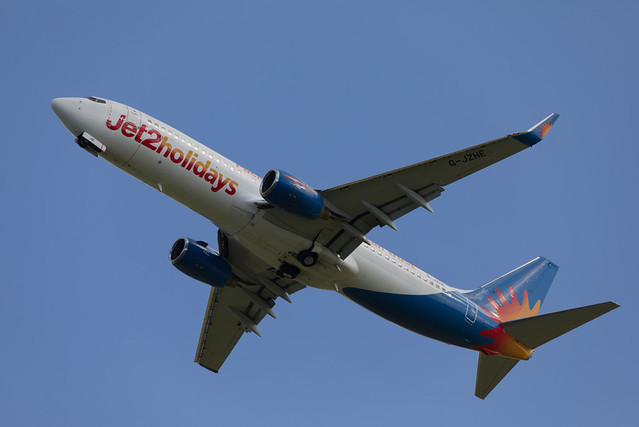
Jet2 B738 at Birmingham on Oct 25th 2026, temporary runway excursion
A Jet2.com Boeing 737-800, registration G-JZHE performing flight LS-1310 from Venice (Italy) to Birmingham,EN (UK), landed on Birmingham's runway 33…
 Fleet type match
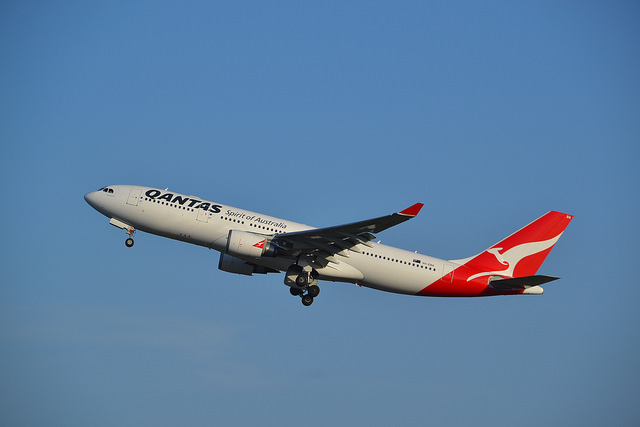
Qantas A332 near Denpasar on Oct 22nd 2026, engine shut down in flight
A Qantas Airbus A330-200, registration VH-EBA performing flight QF-37 from Melbourne,VI (Australia) to Singapore (Singapore), was enroute at FL380…
Subscribe today
Are you researching aviation incidents? Get access to AeroInside Insights, unlimited read access and receive the daily newsletter.
Pick your plan and subscribePartner

ELITE Simulation Solutions is a leading global provider of Flight Simulation Training Devices, IFR training software as well as flight controls and related services. Find out more.
SafetyScan Pro provides streamlined access to thousands of aviation accident reports. Tailored for your safety management efforts. Book your demo today
AeroInside Blog
Popular aircraft
Airbus A320Boeing 737-800
Boeing 737-800 MAX
Popular airlines
American AirlinesUnited
Delta
Air Canada
Lufthansa
British Airways