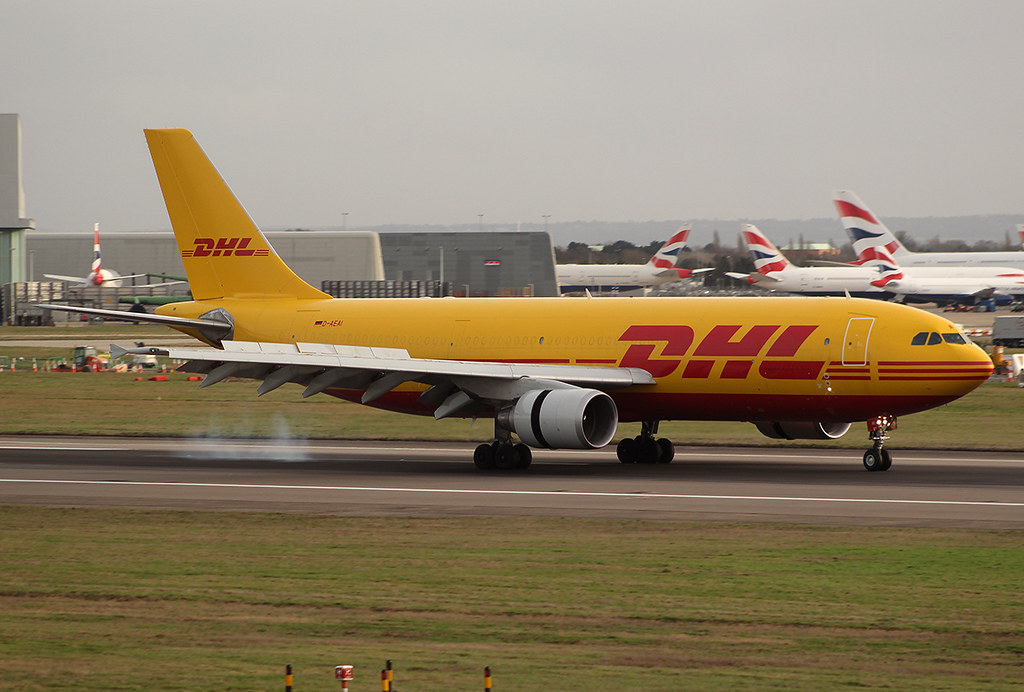
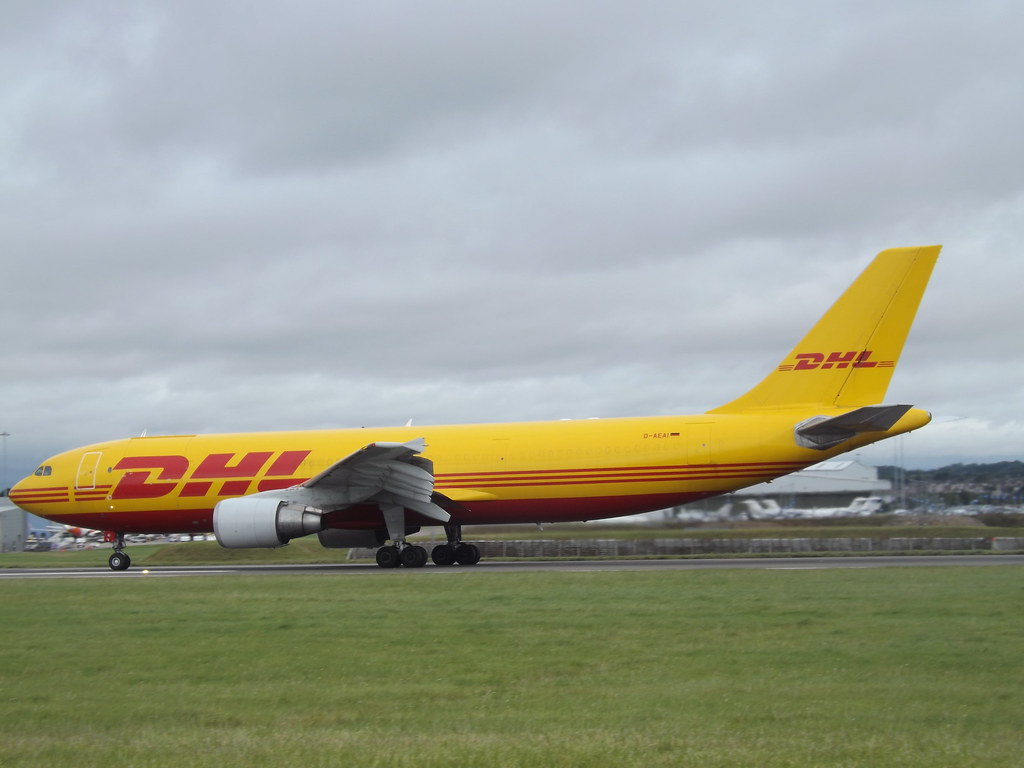
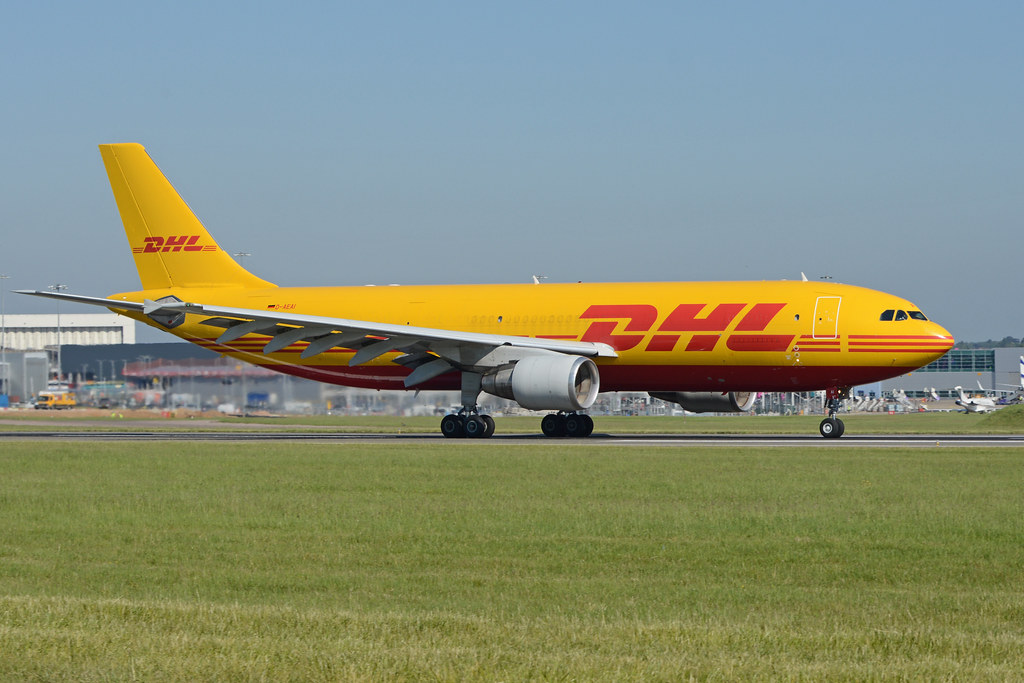
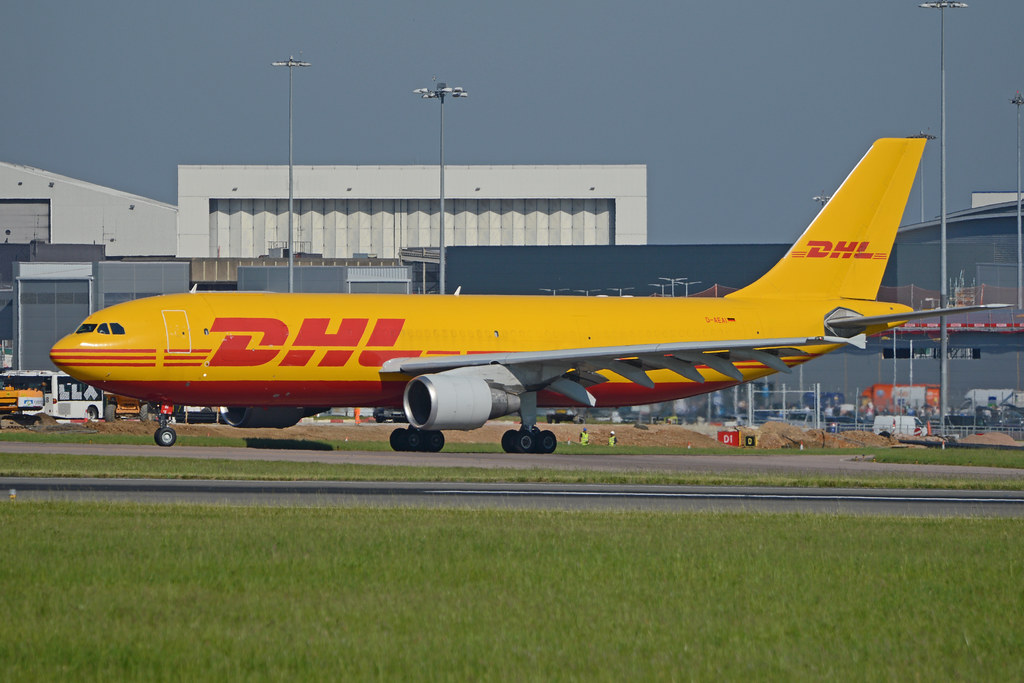
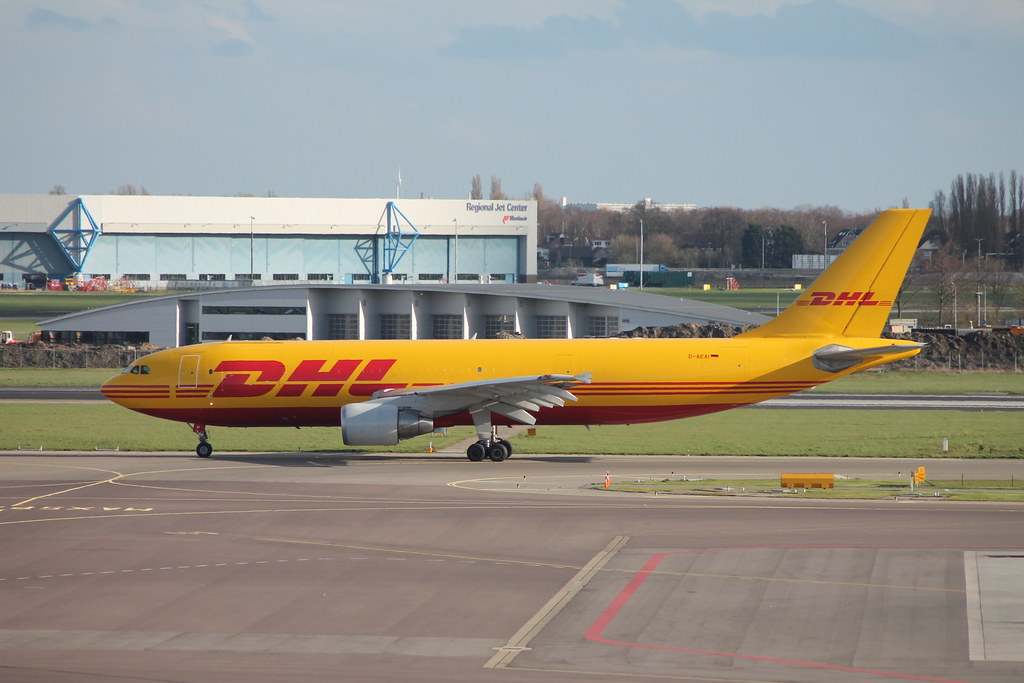
EAT Leipzig A306 at Brussels on Nov 26th 2020, rejected takeoff above V1 due to difficulties becoming airborne
Last Update: January 13, 2026 / 20:39:20 GMT/Zulu time

Incident Facts
Date of incident
Nov 26, 2020
Classification
Incident
Airline
EAT Leipzig
Flight number
QY-841
Departure
Brussels, Belgium
Destination
Vitoria, Spain
Aircraft Registration
D-AEAI
Aircraft Type
Airbus A300
ICAO Type Designator
A306
Airport
Brussels Airport, Brussels
Airport ICAO Code
EBBR
The runway returned to service at around 04:31L (03:31Z) about 10:20 hours after the occurrence.
The airport reported "Following a technical incident runway 25R has not been available. Runway 19 is used for departures and runway 25L for landings."
Belgium's AAIU opened an investigation into the occurrence.
The airline reported the crew encountered difficulties to takeoff prompting them to reject takeoff during rotation when the nose gear had already become airborne. At that point the crew checked their airspeed, it was still slow enough to reject takeoff. Due to the heavy braking 8 tyres deflated. The cause of the problems to become airborne are under investigation, however, it certainly was no problem with the cargo.
On Dec 3rd 2020 the Belgium AAIU stated the crew reported a normal acceleration of the aircraft during the takeoff roll. During rotation the nose did pitch up, however, the aircraft did not lift off. The crew rejected takeoff, applied reverse thrust and brought the aircraft to a stop between taxiways A6 and A7. The occurrence was rated a serious incident and is being investigated.
On Jan 28th 2021 Germany's BFU reported in their November bulletin that the aircraft was accelerating for takeoff when the crew felt vibrations just prior to V1. The aircraft increased pitch upon rotation, but did not lift off prompting the captain to reject takeoff. The aircraft came to a stand still on the runway, as result of the heat developed by the brakes all main tyres deflated. The BFU assists the investigations in accordance with ICAO Annex 13 representing the state of registry.
On Jan 29th 2021 The Aviation Herald received information, that SOP at the operator require to turn the trim to +1.0 trim units (1 unit nose up) after landing. In the morning before the incident flight maintenance worked on the aircraft and rolled the trim to -1.1 units (1.1 units nose down). The load sheet computed a trim setting of +1.1 units for departure. While the load sheet used the +/- notation, the trim itself only shows UP and DN, both +1.1 and -1.1 units are within the green band of the trim settings for takeoff, the crew thus missed that the trim was at -1.1 units instead of the required +1.1 units and experienced a very high pitch force during takeoff rotation. The pitch trim is only checked once during working the pre-departure and takeoff checklists, shortly before V1 the crew experienced vibrations drawing the crew attention to the engine parameters. Being above V1 and Vr there was time pressure in decision making. Post non-flight examination did not find any technical anomaly. In simulations it was determined that all pilots exposed to the simulation felt significantly higher pitch forces in this scenario, most crews were not aware of the effects of the wrong trim setting.
Belgium's AAIU released their final report concluding the probable causes of the serious incident were:
- No technical anomaly was found
- Abnormal feel in the aircraft control column upon rotation, as experienced by the captain, was due to an inadequate pitch trim setting.
- The pitch trim wheel setting should have been 1.0 nose-up after last flight but was changed and left to 1.1 nose-down during maintenance actions in between the flights.
- However, procedures in the AMM require placing the pitch trim control wheel in neutral position after having performed operational tests (incorrect maintenance action).
- This was not seen during the ‘after start’ checklist due to a misreading of the trim wheel (mis-recognition).
- The fact that it must be set to 1.0 nose-up after every flight may have unconsciously led to the assumption that the wheel was correctly positioned when the Pilot Flying saw it near ‘1’, without further checking whether this was nose-up or nose-down (expectancy).
Findings as to risk factors
- The decision to reject take-off after decision speed V1 (decision-making – incorrect action selection)
Other findings
- The aircraft was airborne for 1 second upon the decision to abort.
- The taking-off of the aircraft was fully feasible, however a stronger force needed to be exerted on the column.
Related NOTAMs:
A3555/20 NOTAMN
Q) EBBU/QMRLC/IV/NBO/A /000/999/5054N00429E005
A) EBBR B) 2011261730 C) 2011261815
E) RWY 07L/25R CLSD DUE TO WIP, NO PPR
A3556/20 NOTAMR A3555/20
Q) EBBU/QMRLC/IV/NBO/A /000/999/5054N00429E005
A) EBBR B) 2011261800 C) 2011262015
E) RWY 07L/25R CLSD
A3558/20 NOTAMR A3556/20
Q) EBBU/QMRLC/IV/NBO/A /000/999/5054N00429E005
A) EBBR B) 2011261920 C) 2011270200
E) RWY 07L/25R CLSD
Metars:
EBBR 261850Z 11002KT CAVOK 07/06 Q1019 NOSIG=
EBBR 261820Z VRB02KT CAVOK 08/05 Q1020 NOSIG=
EBBR 261750Z 07001KT CAVOK 09/06 Q1020 NOSIG=
EBBR 261720Z 04001KT CAVOK 08/06 Q1020 NOSIG=
EBBR 261650Z VRB01KT CAVOK 09/07 Q1019 NOSIG=
EBBR 261620Z 12002KT CAVOK 09/07 Q1019 NOSIG=
EBBR 261550Z 05001KT CAVOK 09/07 Q1019 TEMPO 4500 BR=
EBBR 261520Z 08003KT CAVOK 10/07 Q1019 NOSIG=
EBBR 261450Z 05004KT CAVOK 10/07 Q1019 NOSIG=
EBBR 261420Z 02002KT CAVOK 10/07 Q1020 NOSIG=
Trim showing -1.1 units:
Trim showing required +
Incident Facts
Date of incident
Nov 26, 2020
Classification
Incident
Airline
EAT Leipzig
Flight number
QY-841
Departure
Brussels, Belgium
Destination
Vitoria, Spain
Aircraft Registration
D-AEAI
Aircraft Type
Airbus A300
ICAO Type Designator
A306
Airport
Brussels Airport, Brussels
Airport ICAO Code
EBBR
This article is published under license from Avherald.com. © of text by Avherald.com.
Article source
You can read 2 more free articles without a subscription.
Subscribe now and continue reading without any limits!
Read unlimited articles and receive our daily update briefing. Gain better insights into what is happening in commercial aviation safety.
Send tip
Support AeroInside by sending a small tip amount.
Related articles
 Fleet type match
EAT B752 at Leipzig on Aug 5th 2026, go around and collision with unknown object
An EAT Leipzig Boeing 757-200 freighter, registration D-ALEU performing flight QY-9LE from Marseille (France) to Leipzig (Germany), was on final…
 Fleet type match
EAT Leipzig A306 at London on Oct 12th 2025, tail strike and balked landing
An EAT Leipzig Airbus A300-600 freighter on behalf of DHL, registration D-AEAG performing flight QY-2212 from Leipzig (Germany) to London Heathrow,EN…
 Fleet type match
EAT Leipzig A306 at Amsterdam on Oct 18th 2025, rejected takeoff due to bird strike
An EAT Leipzig Airbus A300-600 on behalf of DHL, registration D-AEAB performing flight QY-6731 from Amsterdam (Netherlands) to London Heathrow,EN…
 Fleet type match
EAT A306 at Leipzig on Feb 9th 2024, tail strike on go around
An EAT Leipzig Airbus A300-600 freighter, registration D-AZMO performing flight QY-995 from Tel Aviv (Israel) to Leipzig (Germany) with 2 crew, was…
 Fleet type match
EAT Leipzig A332 at Hong Kong on Nov 24th 2024, engine shut down in flight
An EAT Leipzig Airbus A330-200, registration D-ALOS performing flight QY-547 from Hong Kong (China) to Almaty (Kazakhstan), was climbing out of Hong…
Newest articles
 Fleet type match
United B764 at Amsterdam on Oct 14th 2026, pressurization issue
A United Boeing 767-400, registration N67052 performing flight UA-71 from Amsterdam (Netherlands) to Newark,NJ (USA), was climbing out of Amsterdam's…
 Fleet type match
LATAM Peru A320 at Lima on Oct 19th 2026, engine fire
A LATAM Peru Airbus A320-200, registration CC-BFS performing flight LA-2302 from Lima to Piura (Peru), was lining up runway 16R when the left hand…
Subscribe today
Are you researching aviation incidents? Get access to AeroInside Insights, unlimited read access and receive the daily newsletter.
Pick your plan and subscribePartner

ELITE Simulation Solutions is a leading global provider of Flight Simulation Training Devices, IFR training software as well as flight controls and related services. Find out more.
SafetyScan Pro provides streamlined access to thousands of aviation accident reports. Tailored for your safety management efforts. Book your demo today
AeroInside Blog
Popular aircraft
Airbus A320Boeing 737-800
Boeing 737-800 MAX
Popular airlines
American AirlinesUnited
Delta
Air Canada
Lufthansa
British Airways